Why Hydration Matters More for People Living With Diabetes
Hydration is important for everyone, but for people living with diabetes, daily fluid balance often plays an even bigger role in overall wellbeing. Blood sugar levels, energy, concentration, and daily comfort can all be affected when hydration is not maintained consistently.
Because diabetes can influence how the body regulates fluids, even mild dehydration may be felt more quickly than many people realize.
Why diabetes increases dehydration risk
When blood glucose levels rise, the kidneys work harder to remove excess sugar from the bloodstream. One of the ways the body does this is by increasing urine production.
This means fluid leaves the body more quickly, which can make dehydration more likely—especially during busy days, exercise, warm weather, or periods when fluid intake is lower than usual.
Many people living with diabetes notice signs such as:
- dry mouth
- fatigue
- headaches
- reduced concentration
- feeling unusually tired during the day
Sometimes these symptoms are subtle and easy to ignore until hydration levels have already dropped.
Why consistent hydration matters throughout the day
A common misconception is that drinking a large amount of water once or twice a day is enough.
In reality, the body responds better when fluid intake is steady across the day.
Consistent hydration may help support:
- normal circulation
- daily comfort
- clearer concentration
- better routine wellbeing
For people managing diabetes, spacing water intake evenly is often easier for the body than long periods without fluids followed by large intake all at once.

The challenge of remembering hydration during busy routines
One of the biggest barriers to proper hydration is not lack of awareness—it is forgetting.
Daily schedules, work, meals, medications, exercise, and appointments often make hydration easy to miss. Many people rely on thirst as a signal, but thirst often appears after hydration levels have already begun to decline. That is why routine matters more than intention.
Small reminders can improve hydration habits
Simple reminders can make hydration much easier to maintain.
Behavioral research consistently shows that small prompts improve adherence to daily habits because they reduce the need to actively remember every task.
For hydration, this may mean:
- drinking small amounts regularly
- avoiding long gaps without water
- building consistency over time
How smart hydration tools support better daily habits
Connected hydration tools can help make this process easier by turning hydration into a visible daily routine.
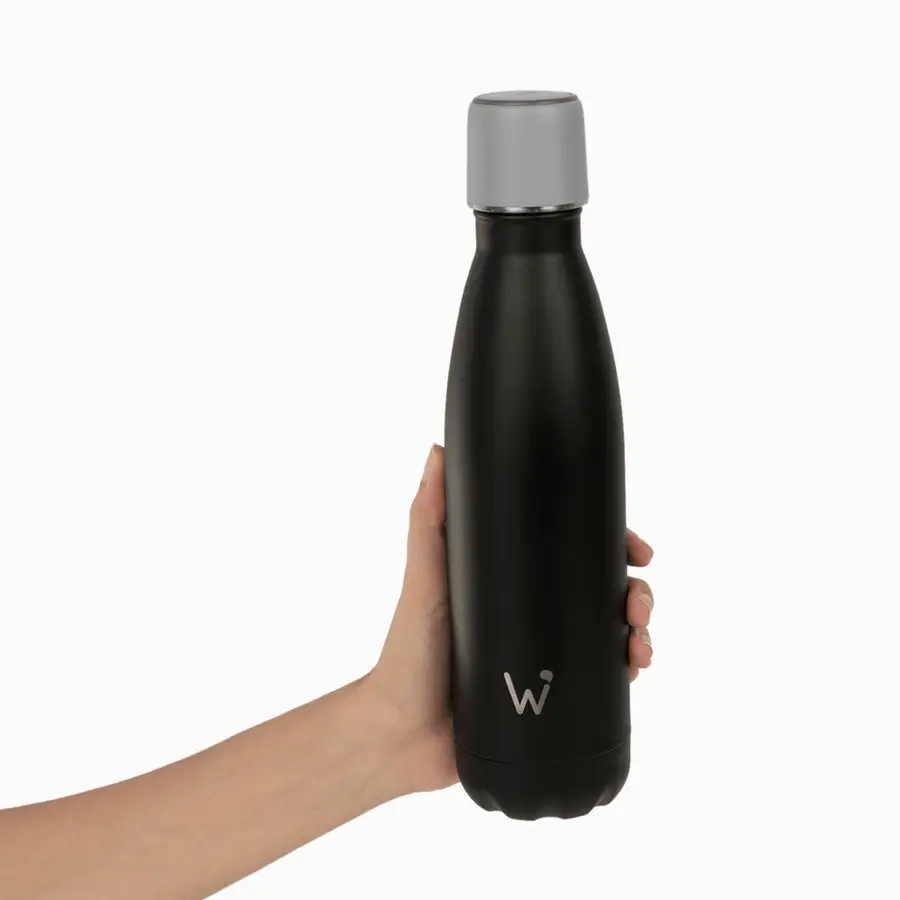
Smart bottle solutions such as Water.io provide gentle reminders and daily intake tracking, helping users stay aware of hydration without adding complexity.
Instead of guessing whether enough water has been consumed, users can simply follow progress during the day.
This type of support can be especially useful for people already managing multiple daily health routines.
Hydration should be part of everyday diabetes self-care
While hydration is not always the first thing people think about in diabetes management, it often influences how people feel during the day.Simple hydration consistency can support:
- daily comfort
- better routine adherence
- awareness of fluid habits
The goal is not perfection—it is creating a repeatable daily pattern that fits naturally into everyday life.
Final thought
For people living with diabetes, hydration often deserves more attention than it receives.
Small daily habits—especially when supported by reminders and tracking—can make hydration easier to maintain and less likely to be forgotten.
Over time, that consistency becomes part of healthier daily self-management.